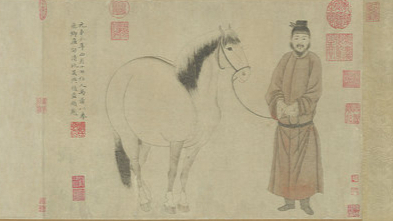
Zhao Mengfu
Introduction
Zhao Mengfu (1254-1322) was a prominent figure in Chinese art history, celebrated for his contributions to painting, calligraphy, and literature. Born into a royal family of the Song Dynasty, Zhao was a versatile artist whose legacy is deeply embedded in the Chinese cultural and artistic framework. Despite his controversial political decisions, Zhao's artistic achievements have left an indelible mark on subsequent generations. His works, characterized by their unique blend of styles and thematic versatility, continue to influence artists today. Zhao's legacy is commemorated in numerous exhibitions and collections worldwide, illustrating the enduring appreciation for his contributions to Chinese art.
Early Life and Background
Zhao Mengfu was born into the imperial clan of the Song Dynasty in 1254. His aristocratic background provided him with an education in the arts, literature, and the classical teachings of Confucianism. This early exposure to cultural refinement laid the foundation for his later achievements as a master artist and scholar. Zhao's transition from the Song Dynasty to the Yuan Dynasty (1271-1368) is a notable aspect of his life.
Artistic Style and Influence
Calligraphy
Zhao Mengfu's calligraphy is renowned for its versatility and elegance. He was skilled in various script styles, including regular, cursive, official, and running scripts. His approach sought to revive the elegant temperament of Tang Dynasty (618-907) calligraphy, aiming to achieve a balanced state of being. The Heart Sutra, a prominent Buddhist scripture copied by Zhao, exemplifies his mastery and philosophical aspirations in calligraphy.
Painting
Zhao Mengfu's painting style is characterized by a focus on free expression and a closeness to nature, in contrast to the Song Dynasty's emphasis on rigid and accurate portrayals. His thematic range includes landscapes, figures, flowers, birds, and horses, showcasing his versatility as an artist. One of Zhao's most recognizable works is Watering Horses in Autumn Suburbs, which integrates calligraphic techniques with vibrant colors to depict an official's excursion. Zhao's landscape paintings, such as Autumn Colors on the Queshan and Huashan Mountains, illustrate his ability to capture natural beauty and evoke emotional resonance.
Contributions to Literature
In addition to his achievements in visual arts, Zhao Mengfu made significant contributions to Chinese literature. As a scholar and poet, his writings reflect the intellectual currents of his time and exhibit a profound engagement with classical Chinese philosophy. Zhao's literary works are characterized by their eloquent expression and depth of thought, embodying the literati ideals of erudition and moral integrity. His essays and poems provide insights into his worldview and artistic philosophy, further solidifying his legacy as a cultural icon.
Political Career
Zhao Mengfu's political career is marked by his service under the Yuan Dynasty. Despite his lineage as a descendant of the Song imperial family, Zhao's decision to serve the Yuan court was driven by a desire to contribute to societal governance and cultural preservation. Zhao eventually chose to retire from politics, retreating to his hometown in Zhejiang province to lead a more secluded life. This decision reflected his preference for a hermit-like existence, away from the complexities of court politics.
Legacy and Impact
Zhao Mengfu's legacy extends beyond his lifetime, influencing Chinese art and culture for centuries. His innovative approaches in painting and calligraphy paved the way for the development of the literati painting tradition, which emphasized scholarly pursuits and personal expression. Zhao's teachings and artistic theories were disseminated through his students and followers, shaping the trajectory of Chinese art. His influence is particularly evident in the works of his immediate descendants and Ming Dynasty (1368-1644) artists who admired his style. Zhao's contributions continue to be celebrated in exhibitions and academic studies, underscoring his lasting impact on the cultural and artistic heritage of China.
Major Works
Zhao Mengfu's oeuvre includes several masterpieces that are revered in the annals of Chinese art history. Among his most notable works are Watering Horses in Autumn Suburbs and Autumn Colors on the Queshan and Huashan Mountains, both of which highlight his distinctive blend of painting and calligraphy. His calligraphic masterpiece The Heart Sutra exemplifies his philosophical approach and technical skill. Additionally, Zhao's influence is evident in collaborative works with his family, such as the Groom and Horse scroll, which features paintings by Zhao and successive generations. These major works represent the breadth of Zhao's artistic genius and his enduring legacy.








